

Understanding the impacts of urbanisation on ancient woodland
Ancient woodlands, defined as areas that have been continuously covered with forest since at least 1600CE, are biodiverse habitats with distinctive plants, soils, wildlife and archaeological features. Specialist plant species like Bluebells, Wood Anemones, Early-purple Orchids and Herb Paris are often found here as the sheltered, humid conditions allow these slow-colonisers to spread without constant disturbance. Today, ancient woodland covers around 2.5% of the land area of the UK, and these special semi-natural areas are offered protection in the planning process, so development should not be allowed if it degrades or results in the loss of ancient woodland areas.
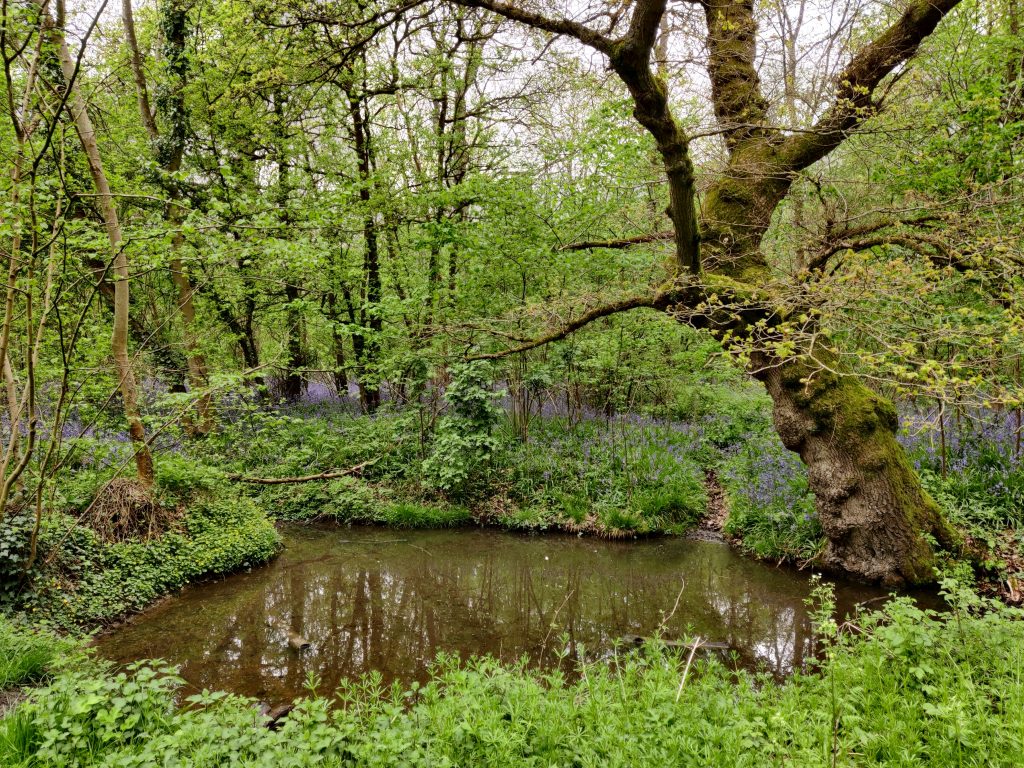
However, as urban development spreads and towns and cities expand into the countryside, many ancient woodlands end up nearer to, or surrounded by housing, roads and commercial or industrial areas. Here they can be exposed to higher levels of air and groundwater pollution, higher levels of visitor pressure, changes in habitat management, and invasive species.
Using ancient woodland inventory maps and CORINE land cover data, I found that over 10% of ancient woodland in England is within 100m of urban fabric, with over 8% being right next to or surrounded by urban land use.
Urban ancient woodland in Milton Keynes
My PhD has been looking into these impacts of urbanisation on ancient woodlands, focussing in particular on ancient woodlands in the new town of Milton Keynes, which grew rapidly over the last 50 years to surround three large woodlands: Howe Park Wood, Linford Wood and Shenley Wood. I’ve been doing ground flora surveys in these Milton Keynes woodlands and comparing the distribution and frequency of plant species found here with those found in similar nearby rural ancient woodlands.
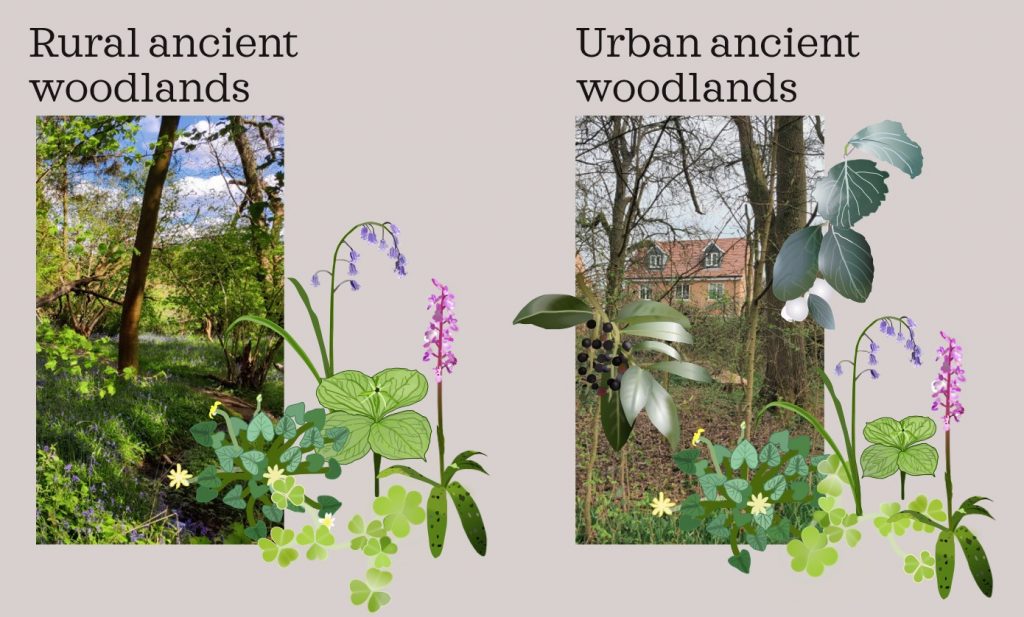
Long-term change in flora seen through historic species records
I’ve also been looking more widely at urban ancient woodlands in England in areas with different histories of urbanisation – comparing urban and rural ancient woodlands in NE Buckinghamshire, where we had recent rapid urban development in Milton Keynes, with woodlands in Warwickshire and Greater London, where urban development occurred earlier and over longer periods of time.
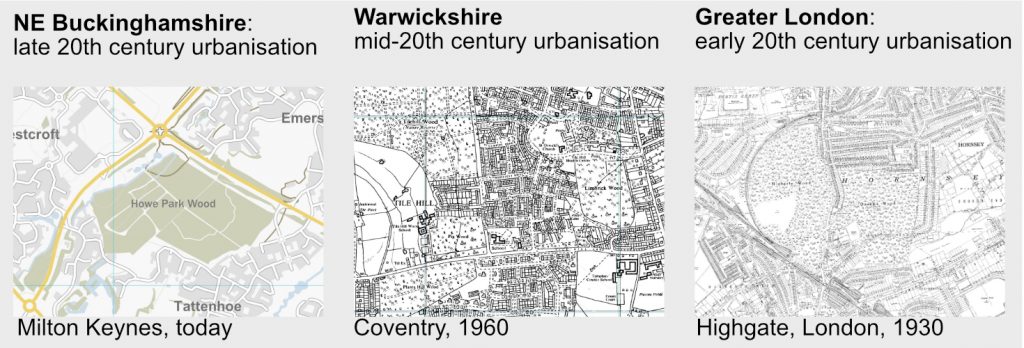
I have been using historic plant species records from these three regions of the UK to investigate long-term change in urban and rural woodlands. I found that long-term urban ancient woodland has significantly more introduced alien species and the floral community composition is changing more in woods that have been surrounded by urban development for longer. However, richness of ancient woodland indicator species was similar in urban and rural ancient woodland, showing that these urban sites are still valuable spaces for nature. These findings were published in Woo et al. (2025) Floristic shifts of ancient woodland in recently urbanised landscapes seen through historic species records. Ecological Solutions and Evidence 2025;6:e70094.
Assessing the scale and impacts of visitor pressure on urban ancient woodland
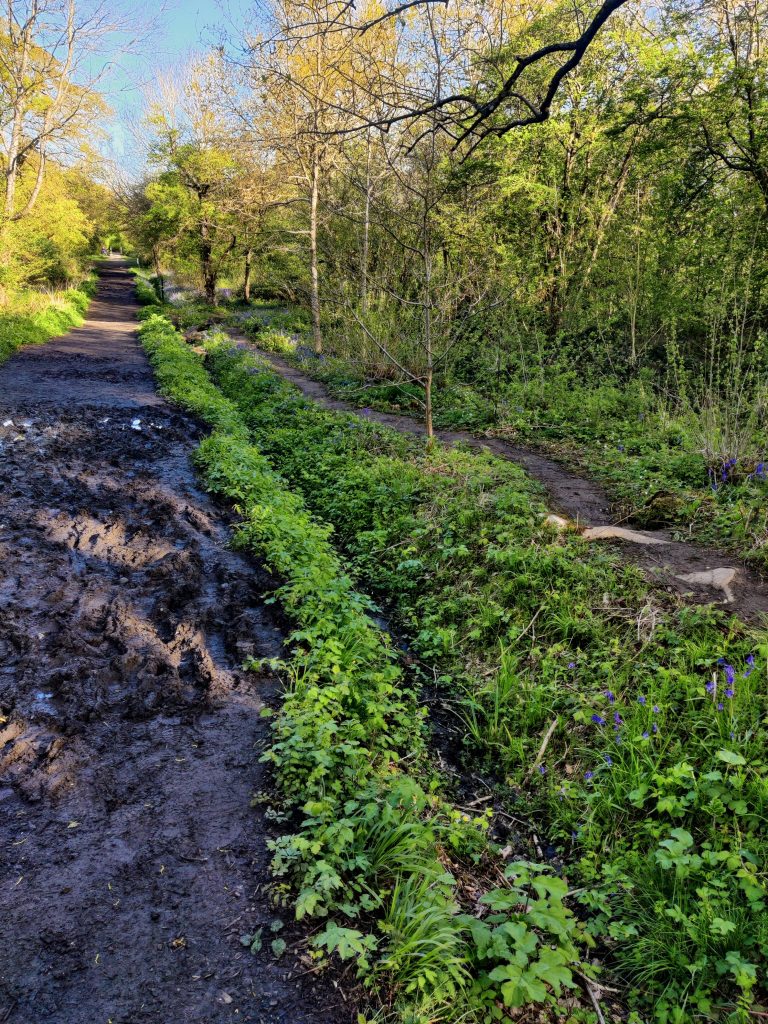
With the help of staff and volunteers from The Parks Trust, visitor counts were carried out in the Milton Keynes woodlands and similar rural sites on 16 days throughout 2023. GPS data from ActiveXChange was also used to assess year-round differences in visitor activity levels and map visitor hotspots and origins.
Based on count and GPS data, we estimate that 15-20 times more people visit urban ancient woodlands compared to similar nearby rural sites, with over 60,000 people and 17,000 dogs estimated to visit Howe Park Wood and Linford Wood each year.
Hotspot maps of visitor activity can also be compared with ground flora survey data to explore the link between the distribution of introduced species and species adapted to higher nutrient levels with areas of high visitor activity.
Implications for woodland management, planning and policy
By working closely with The Parks Trust, who manage the ancient woodlands and other green spaces in Milton Keynes, I have helped inform their woodland management plans, visitor access, and surrounding landscaping (e.g. planting native rather than alien species such as Buddleja and Snowberry in buffer zones). I have also contributed to the AwDev project and Project WIDGET (Woodland Impacts of Development: Guidance, Evidence and Tools) led by Forest Research and the Forestry Commission to understand evidence gaps and update planning and policy advice on developments near ancient woodland.


