

Butterflies in The City: Landscape Connectivity and Conservation of Urban Woodland Butterflies
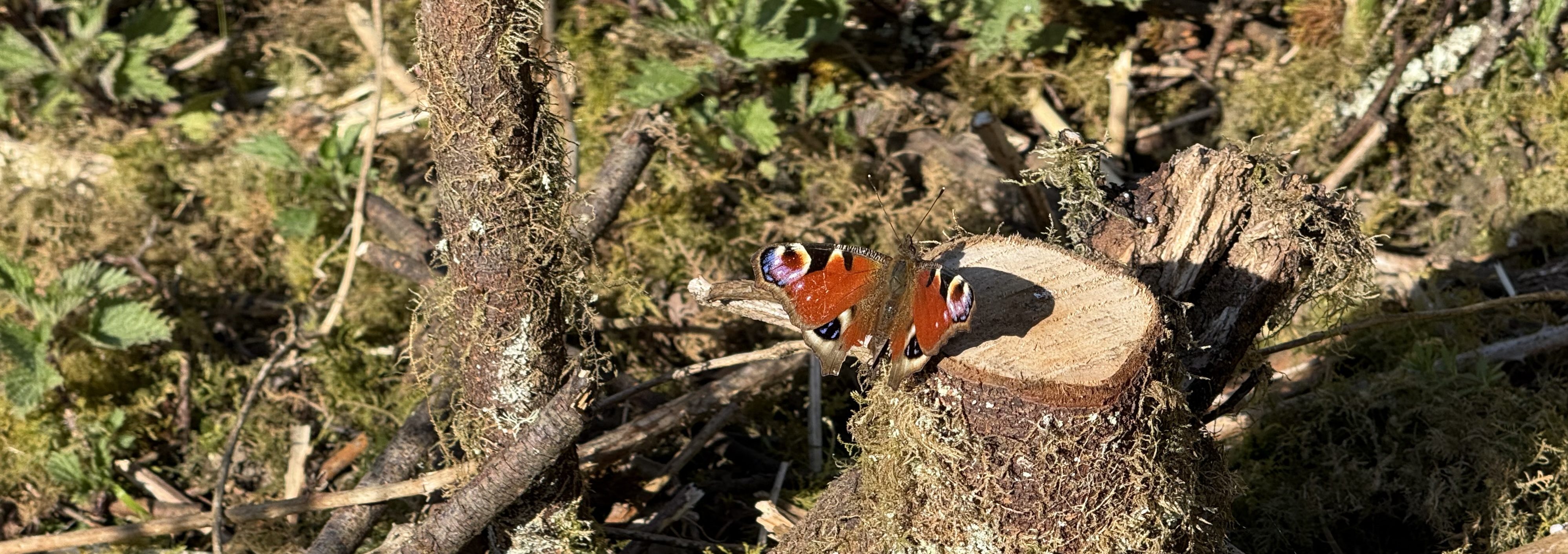
My PhD research explored how butterflies live in urban woodlands and what this means for biodiversity in cities. Butterflies are important pollinators and indicators of environmental health, yet their populations are declining worldwide, largely in part due to land-use change. Semi-natural habitats have been largely degraded due to agriculture, and in the United Kingdom, that is often what we build on to create our towns and cities; land which has already lost much of its biodiversity.
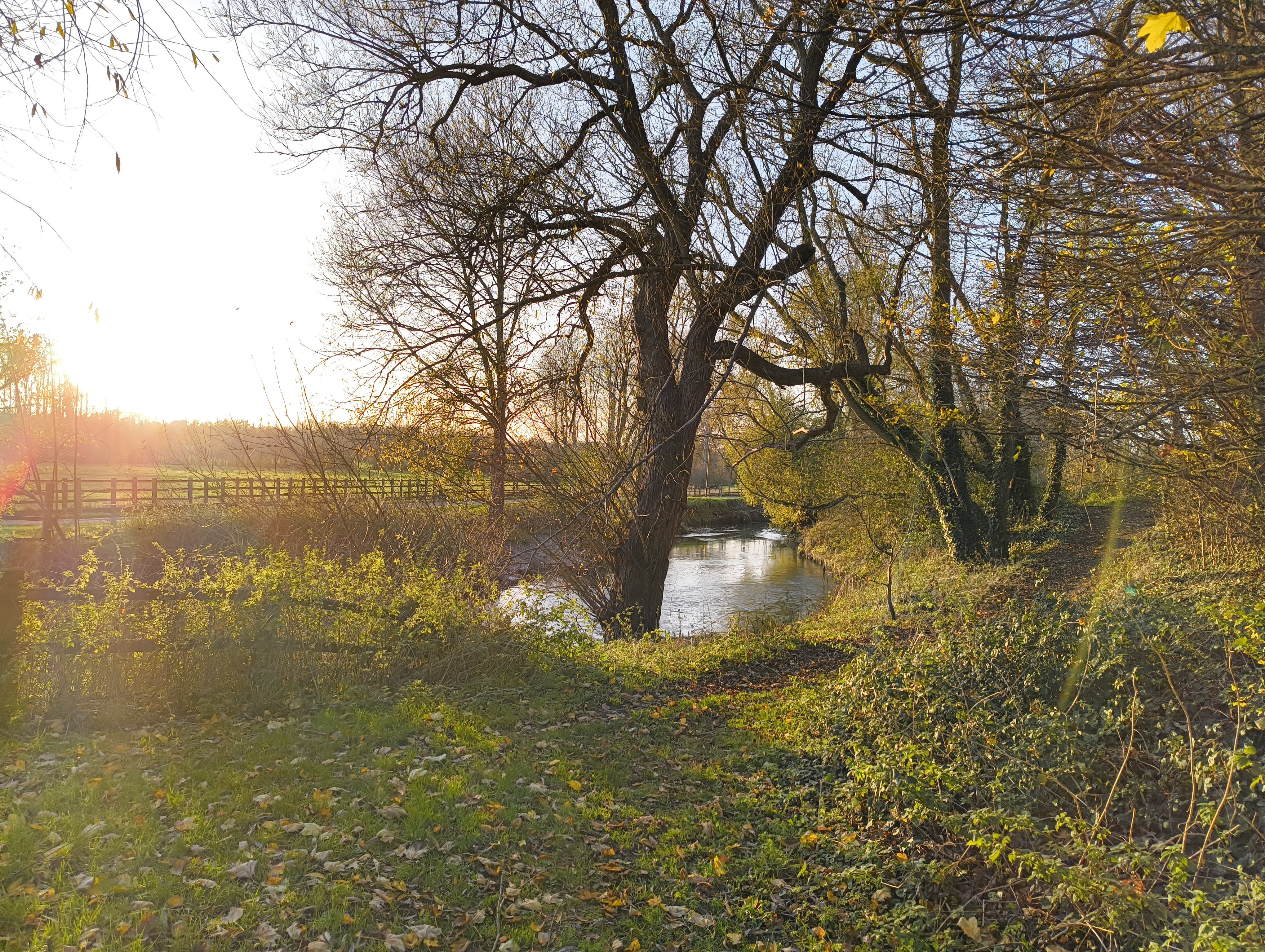
What is left behind are often fragments of remnant habitats, including urban woodlands. They were the focus of my research, as despite the fragmented state most of them are in, they still provide valuable spaces for wildlife and for people to experience nature.
My research first identifies which British butterfly species are able to survive in urban environments. It shows that species which produce several generations each year and use the edges between woodland and grassland are more likely to tolerate urban landscapes.
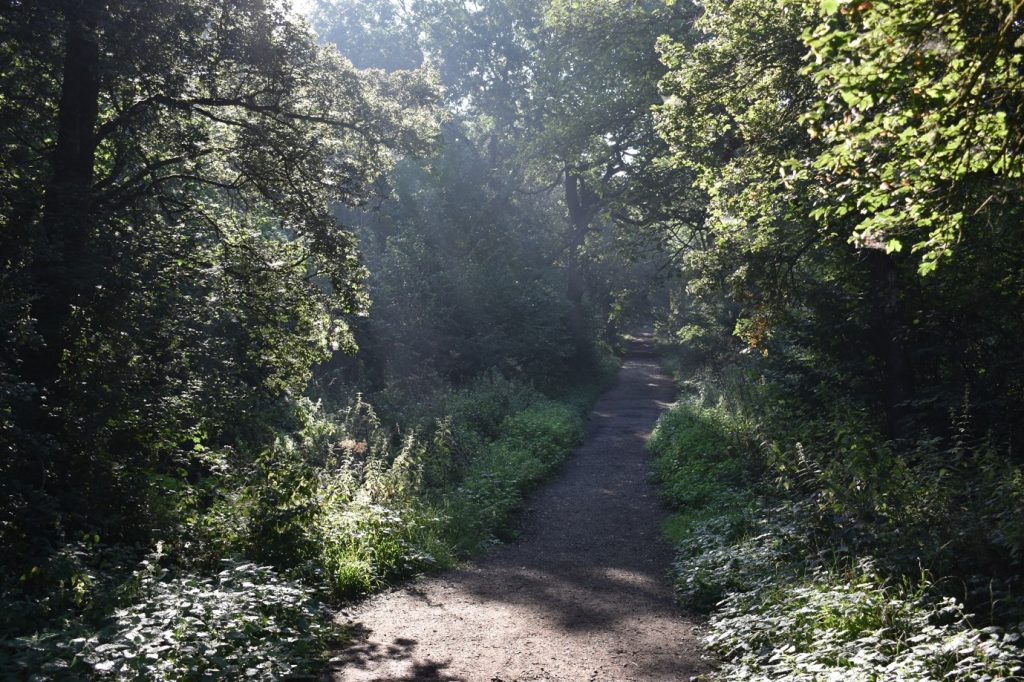
From this, I was then interested in which woodland features support more butterflies; now we have established what could or should be here, what is actually here, and what about the urban woodlands themselves allows for richer or more diverse butterfly communities. My work found that larger woodlands with a mix of canopy heights and open areas such as rides and glades were found to support the richest and most diverse butterfly communities. This suggests that woodland management that maintains structural variety can help conserve butterflies in cities.
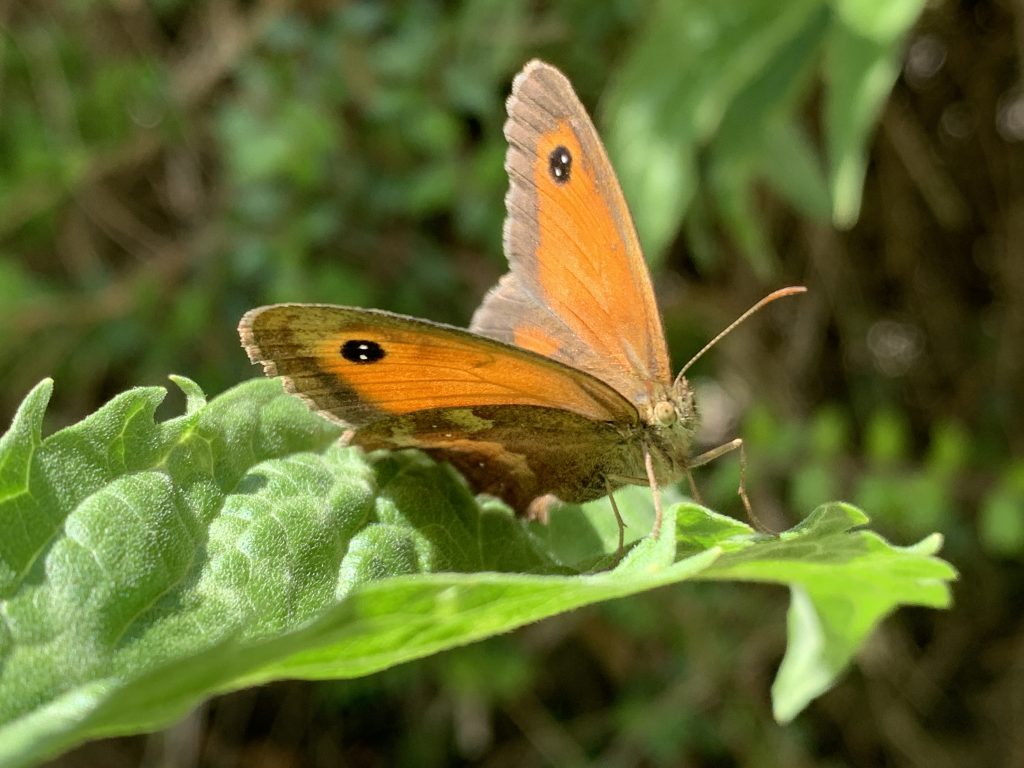
The study also compares how well woodland habitats are connected for butterflies across eleven UK cities which are similar in size and population density, ranging from Luton and Kent to Milton Keynes and Plymouth. Some cities, such as Milton Keynes, form well-connected networks through many small green spaces, while others rely on fewer, larger patches or are poorly connected overall. These differences may affect how easily butterflies can move and maintain healthy populations and thereby suggest the health of the ecosystems in these more fragmented nature-poor cities.
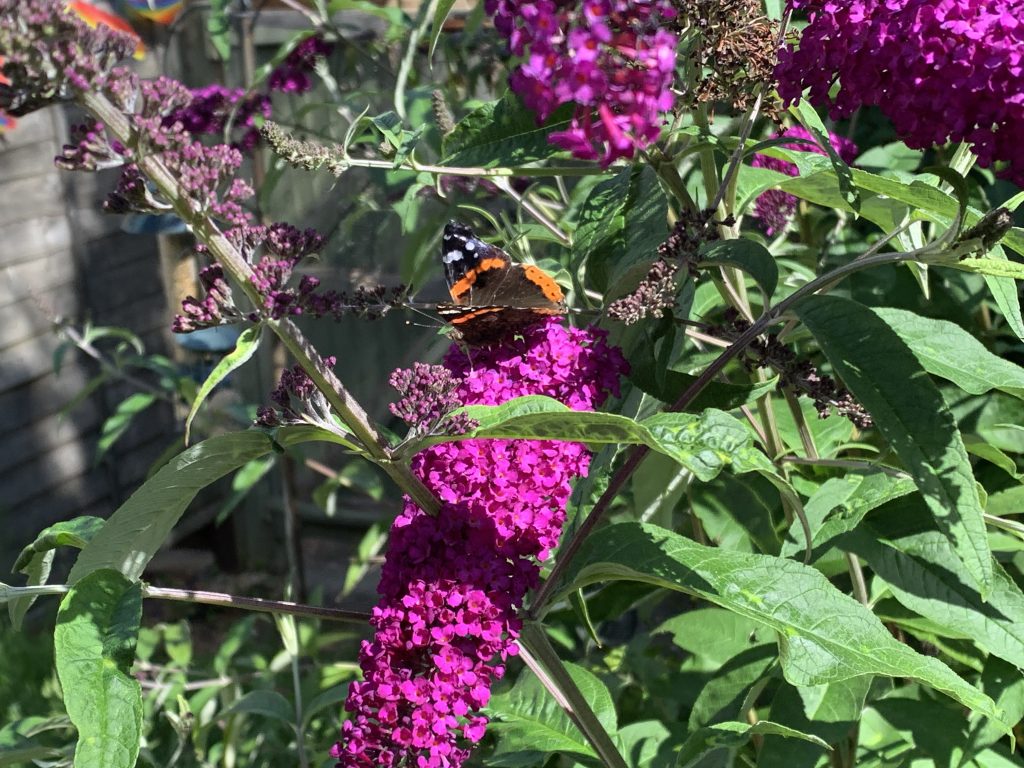
The final part of my PhD looked at how individual butterfly species are distributed across woodland sites in Milton Keynes, based on large-scale surveys across the city. What this really showed is that mapping butterfly populations properly takes a huge amount of survey effort, far more than a single project can usually manage. It points to the need for more collaborative work across multiple cities if we want to build reliable, general models.
At the moment, a lot of survey effort quite understandably focuses on well-maintained, “nice” nature reserves. While this is valuable and important, it only tells part of the story. To really understand how butterflies use urban landscapes, we need to look beyond these sites and include the less tidy, less desirable parts of the city too. Only then can we treat the city as a connected network of habitats, rather than just focusing on what happens within the nature reserve bits.
Overall, the research provides new insight into how urban woodlands support butterflies and highlights practical ways cities can manage green spaces to protect biodiversity. You can read the whole thesis here on the Open University’s Open Research Platform, ORO.


